London Underground: A 5-Step Guide for Visitors
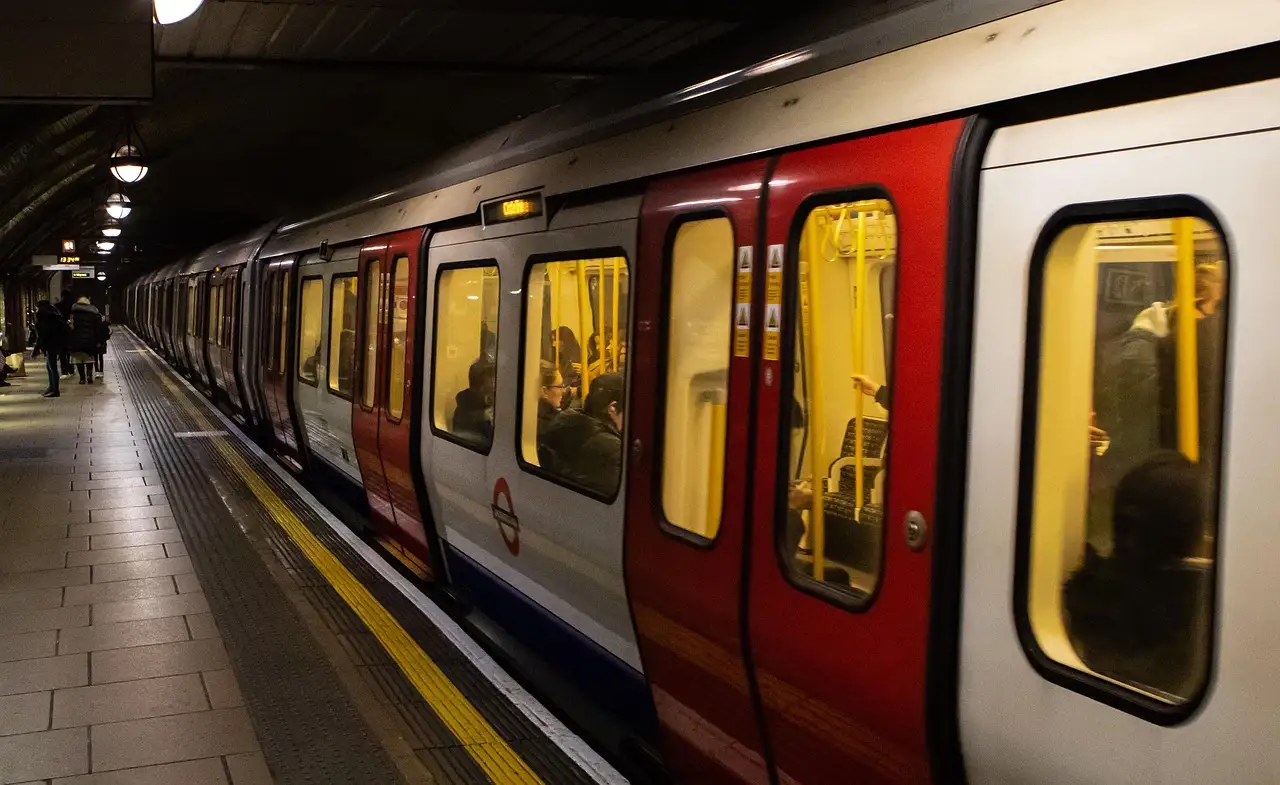
You can ride the London Underground with the contactless card or phone you already have, and you never pay more than a daily cap. Touch in and out on the yellow readers, and the system adds up your trips and stops charging at the cap for the zones you used. Most visitors never need a paper ticket. This guide shows how to pay, which zones you will use, what a day costs and when the bus or the river boat is the better choice.
Step 1: Pay with contactless or Oyster
The easiest way to pay for the London Underground is a contactless bank card or phone, or an Oyster card. According to Transport for London's pay as you go page, you tap in and out on the yellow readers, and the same works on the Elizabeth line, DLR, Overground, buses and trams. For the wider picture, including rail tickets London beyond the Tube, read the getting-around guide.
Use the same card or device for both taps. If you tap in with your phone and out with your card, the system sees two unfinished trips and you pay more. Two people also cannot share one Oyster card on the same journey, so each person needs their own card or phone.
Pro Tip Keep the card you tap with in the same wallet slot or pocket all day, because tapping a second card in the wallet by mistake is the usual way to get charged twice.
A Visitor Oyster card is the other choice. It costs £10.50 plus postage, comes with £10 to £50 of credit, and caps daily like contactless. The card fee is not refunded and a Visitor Oyster cannot be registered online. Buy one only if your home bank card charges fees abroad, because Uber Boat by Thames Clippers warns that overseas fees may apply to contactless cards from outside the UK.
Transport for London sells the Visitor Oyster card online before you travel, and a standard Oyster card is sold at station ticket machines. If you already hold a contactless card, you do not need either. Oyster has one limit to know. It is not accepted at Elizabeth line stations between Reading and Iver, while contactless is.
Step 2: Know which London Underground zones you will use
Most sightseeing in London happens in Zones 1 and 2. The Tube map splits the city into numbered zones, and the fare grows as you cross more of them. Zone 1 is the centre, and the zones count outward.
Transport for London links a single fare finder that gives the cost between any two stations, so check your journey there before you go. Its fares page also says a weekday trip from a station outside Zone 1 into Zone 1 between 16:00 and 19:00 gets the off-peak fare, and that Tube and Elizabeth line trips to or from Heathrow through Zone 1 cost peak fares. A day in Zones 1 and 2 caps at £8.90, and adding Zone 3 lifts the cap to £10.50.
| Step | What to do | What to watch for |
|---|---|---|
| 1. Pay | Tap in and out with one contactless card, phone or Oyster | Use the same card or device both times |
| 2. Zones | Stay in Zones 1 and 2 for most sights | Fares rise as you cross more zones |
| 3. Daily cap | Let the cap stop the bill | Peak and off-peak share one cap in Zones 1 and 2 |
| 4. Lines | Pick the line for your journey and check closures | Airport lines run at different prices |
| 5. Bus or boat | Go above ground on a sightseeing day | The Tube cap does not cover river boats |
Step 3: Let the daily cap stop the bill
A daily cap means you stop paying once your trips in one day reach a set price. In 2026, Transport for London's adult caps stop Zones 1 and 2 at £8.90 a day on contactless and Oyster, whatever the time of day. Zones 1 to 3 cap at £10.50, and Zones 1 to 4 at £12.80. Zones 1 to 6 cap at £16.30.
| Zones | Daily cap | Monday to Sunday cap |
|---|---|---|
| 1 to 2 | £8.90 | £44.70 |
| 1 to 3 | £10.50 | £52.50 |
| 1 to 4 | £12.80 | £64.20 |
| 1 to 6 | £16.30 | £81.60 |
The same cap works over the week. The Monday to Sunday cap for Zones 1 and 2 is £44.70, so a long stay still stops at that price. This is not an unlimited pass: you pay per trip until you reach the cap, and a day with only a few short trips costs less than the cap. In short, you get pay-as-you-go travel on the Tube, buses and trams, and the cap sets the most you pay. A paper Day Travelcard for Zones 1 and 2 costs £16.60, so pay as you go is cheaper for a visitor who stays in the centre.
In October 2026, in the 2026 London Travel Cost Study, the daily cap for Tube travel in Zones 1 and 2 was £8.90, the price a visitor never exceeds on a day of rides.
Peak fares apply Monday to Friday, except public holidays, from 06:30 to 09:30 and from 16:00 to 19:00. In Zones 1 and 2 the cap is the same in peak and off-peak, so you only save by travelling off-peak on single trips below the cap.
Key Takeaway In Zones 1 and 2, the most a day of Tube rides can cost with contactless or Oyster is £8.90, and the most a week from Monday to Sunday can cost is £44.70.
The best fare in a big city is the one you never have to work out.
Step 4: Pick the line and check closures
Every Tube line is a colour on the map, and the map shows which stations share a line. It is a good tool for planning a route, but it does not show fares or closures. Pick your station, then follow the colour and the direction of the last stop on the train.
Two lines matter for airport arrivals. The Piccadilly line and the Elizabeth line both run from Heathrow, and the guide to heathrow to central london compares them. Heathrow Express and Southeastern high-speed trains are not included in caps or Travelcards, so check the fare before you board.
Closures change often. On the weekend of 24 and 25 October 2026, for example, the Transport for London status page lists no Circle line service between Edgware Road and Tower Hill, part of the District line shut with replacement buses DL1, DL3, DL4 and DL5, and no trams between East Croydon and several stops. Each disruption has a "Replan your journey" link, and the "Select date" option and "The week ahead" section show later days. The page also suggests the TfL Go app for a live status map. The Waterloo & City line runs only Monday to Friday, 06:00 to 00:30. In late 2026 the Piccadilly line has planned closures on the Heathrow branch, and the Elizabeth line has some Sunday reductions. Check the status page on the day you travel. Replacement buses run during closures, and ordinary buses take the same contactless card, so a bus is a simple fallback.
A Tube trip is not the best choice every time. Step-free access differs from station to station, so check the Transport for London step-free map if you travel with heavy luggage or a pushchair.
Step 5: Use the bus or the boat when it beats the Tube
Use the Tube to cross London fast, and use a bus or a boat when you want to see it. Buses take contactless and Oyster, not cash. A single costs £1.75, rising to £1.85 on 1 November 2026, and the bus-only daily cap is £5.25, rising to £5.55. The Hopper fare gives you unlimited bus and tram rides within one hour of your first tap for one fare.
If you want a guide who names the sights, a hop-on hop-off bus gives you that. A tour London bus ticket costs more than a day of Tube rides, but it follows a sightseeing route with commentary. The City Sightseeing hop-on hop-off bus is listed from €66 per person and rated 4.3 from 8,859 reviews. The Big Bus ticket with an optional river cruise is listed from €38.01 per person and rated 4.2 from 5,146 reviews. Both list free cancellation up to 24 hours before.
Prices and ratings as shown on GetYourGuide on 2026-10-24. Operators are City Sightseeing UK and Big Bus Tours - London. Both include an audio guide or digital commentary and exclude hotel pickup; City Sightseeing also excludes attraction entry, food, drinks and tips. Big Bus starts at Buckingham Palace Road and Bressenden Place, while City Sightseeing gives no address. Group size is not stated, and the Big Bus listing says it is valid for 1 to 2 days.
The river is the other above-ground choice. Uber Boat by Thames Clippers takes contactless and Oyster, and a Central zone trip costs £9.90 to £11.90 that way. The Tube daily cap does not apply to river services, so a boat trip is always an extra cost. The Uber Boat single river ticket is listed from €11.70 per person, rated 4.0 from 1,179 reviews, and covers any pier between Battersea Power Station and Barking Riverside. The City Cruises one-day river pass is listed from €11.94 per person, rated 4.5 from 1,011 reviews, and stops at Westminster, London Eye, Tower and Greenwich piers.
Prices and ratings as shown on GetYourGuide on 2026-10-24. Both boat tickets list free cancellation up to 24 hours before and exclude attraction entry and food and drink, which you buy on board. Uber Boat is run by Uber Boat by Thames Clippers, starts at Westminster Pier, and boards first come first served, with children under 10 needing an adult. City Cruises is run by City Cruises Limited, starts at Tower Millennium Pier, and is valid for 24 hours with times that depend on tides and river traffic. Group size is not stated on either listing.
A fair rule is to ride the Tube on days with long distances, and ride a bus or boat on the day you have free to look around. A tour is worth it on a sightseeing day, and not worth it if you only want to get from your hotel to one place. A contactless card on the Tube does that for much less.
Since October 2026, Things to Do in London counts 21 transfer and hop-on hop-off listings on GetYourGuide, which is a wide choice of ways to ride above ground.
Ride above ground on a sightseeing day
When you want to see London instead of crossing it underground, a hop-on hop-off bus or a river pass gives you the route and the commentary. Our picks run from €11.70 for a single river ticket to €38.01 for a Big Bus ticket with an optional river cruise, all with free cancellation as the listing states it. Use a tour on a sightseeing day, not to get from A to B. Each listing has free cancellation up to 24 hours before. Meeting points: Big Bus at Buckingham Palace Road and Bressenden Place, City Cruises at Tower Millennium Pier, Uber Boat at Westminster Pier or any pier. The City Sightseeing page gives no address, and no listing states group size. None includes attraction entry or food and drink.
-
City Sightseeing hop-on hop-off bus
from €66 per person
the bus as the above-ground alternative for a first sightseeing day
4.3 (8,859 reviews) Free cancellation
Run by City Sightseeing UK
Check availability: City Sightseeing hop-on hop-off bus on GetYourGuide -
Big Bus with optional river cruise
from €38 per person
for readers comparing a day pass with a bus ticket
1–2 days 4.2 (5,146 reviews) Free cancellation
Run by Big Bus Tours - London
Check availability: Big Bus with optional river cruise on GetYourGuide -
Uber Boat single river ticket
from €12 per person
the river bus that takes contactless and Oyster too
4.0 (1,179 reviews) Free cancellation
Run by Uber Boat by Thames Clippers
Check availability: Uber Boat single river ticket on GetYourGuide -
City Cruises one-day river pass
from €12 per person
a river day instead of the Tube
1 day pass 4.5 (1,011 reviews) Free cancellation
Run by City Cruises Limited
Check availability: City Cruises one-day river pass on GetYourGuide
Prices and ratings as shown on GetYourGuide on 24 October 2026.
Hop-on hop-off bus tours in LondonFAQ
How much does it cost to travel on London underground?
How much does a London day travel card cost?
Is zone 2 London expensive?
Is the tube expensive in London?
Conclusion
The London Underground is simple once you know three things. Pay with one contactless card or phone, or an Oyster card, and touch in and out every time. Stay inside Zones 1 and 2 for most sightseeing, and let the daily cap stop the bill. Use a bus or a boat on days when you want to see the city, not just cross it.
Related guides
Sources
- Transport for London, Pay as you go (2026), last checked 24 October 2026
- Transport for London, Adult caps and Travelcard prices (2026), last checked 24 October 2026
- Transport for London, Visitor Oyster card (2026), last checked 24 October 2026
- Transport for London, Bus and tram fares (2026), last checked 24 October 2026
- Transport for London, Tube and rail fares (2026), last checked 24 October 2026
- Transport for London, Tube, DLR and Overground status (2026), last checked 24 October 2026
- Uber Boat by Thames Clippers, Ticket information (2026), last checked 24 October 2026